What “Fixing the Root Cause” of Injury Actually Means
What “Fixing the Root Cause” of Injury Actually Means
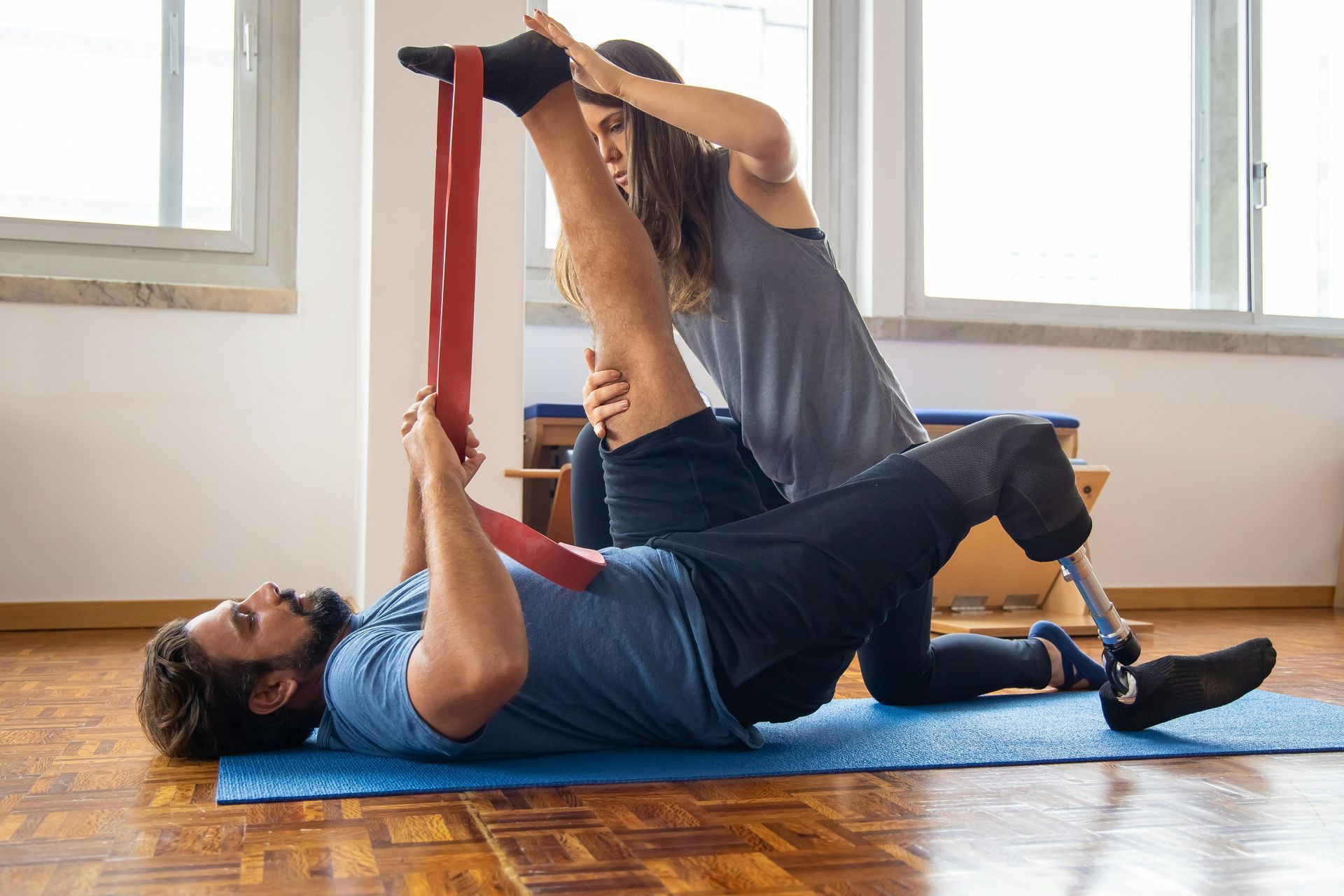
If you’ve ever been injured, recovered, and then found the same pain creeping back weeks or months later, you’re not alone.
This cycle happens because most injuries aren’t caused by a single moment — they’re the result of underlying problems that never fully get addressed. At Fix Clinic, when we talk about fixing the root cause, we’re talking about going deeper than symptoms and rebuilding the body so the injury doesn’t keep returning.
Here’s what that actually means.
Pain Is a Signal — Not the Problem
Pain is the body’s warning system.
It tells you something isn’t coping — but it doesn’t always tell you
why.
For example:
- Knee pain might originate from poor hip control or ankle mobility
- Back pain may stem from weak glutes or poor load tolerance
- Shoulder pain often relates to limited thoracic movement or muscle imbalance
Treating pain alone may calm symptoms temporarily, but if the underlying issue remains, the body will eventually break down again.
The Real Root Causes of Injury
Most recurring injuries come from one (or more) of the following:
🔹 Poor Movement Patterns
The body adapts to restrictions by compensating. Over time, these compensations overload joints, tendons, and muscles that weren’t designed to take that stress.
🔹 Muscle Inhibition or Imbalance
After injury, certain muscles often “switch off” while others overwork. Without reactivation and retraining, strength returns unevenly — increasing reinjury risk.
🔹 Reduced Load Capacity
Being pain-free doesn’t mean the body is strong enough for real-world demands. Without rebuilding capacity, tissues fail again under stress.
🔹 Lack of Progressive Rehab
Many people stop rehab too early. True recovery requires progressive loading, not just early-stage relief.
What Fixing the Root Cause Looks Like at Fix Clinic
At Fix Clinic, fixing the root cause means following a structured, layered approach:
1️⃣ Assess How You Move
We look at movement quality, joint function, and how your body handles load — not just where it hurts.
2️⃣ Restore Mobility & Control
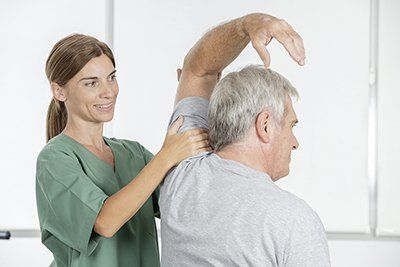
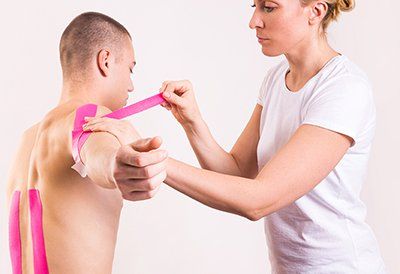
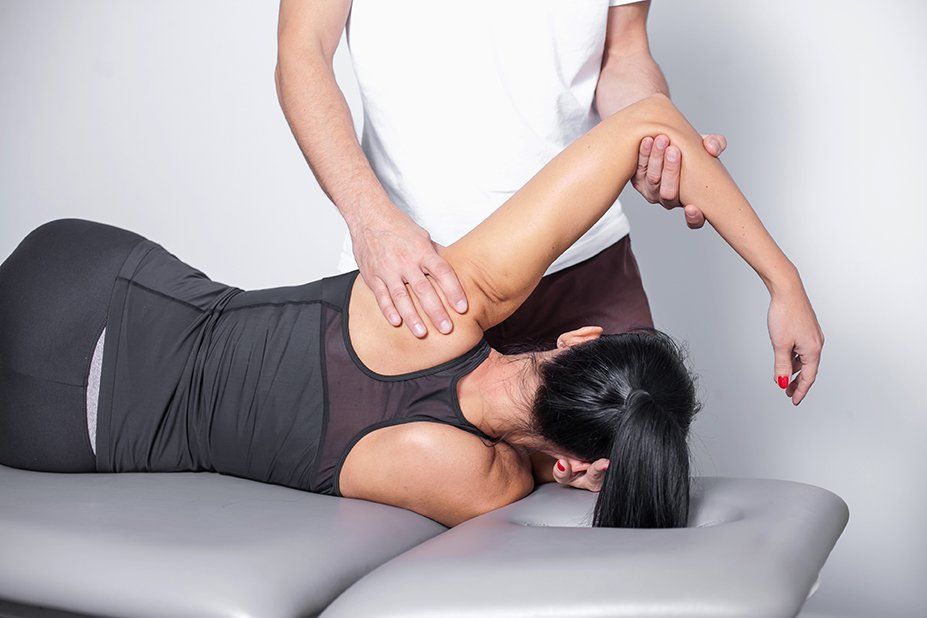
Restricted joints and poor control are addressed through hands-on therapy, mobility work, and movement re-education.
3️⃣ Reactivate What’s Not Working
Targeted muscle activation ensures the right muscles are doing the right job again.
4️⃣ Rebuild Strength & Capacity
Progressive rehab and strength-based loading restore tissue tolerance and resilience.
5️⃣ Accelerate Recovery
Advanced recovery technologies such as PEMF and cryotherapy support healing, reduce inflammation, and improve recovery between sessions.