Treating Injuries with Tape
What Taping Can — and Can’t — Do
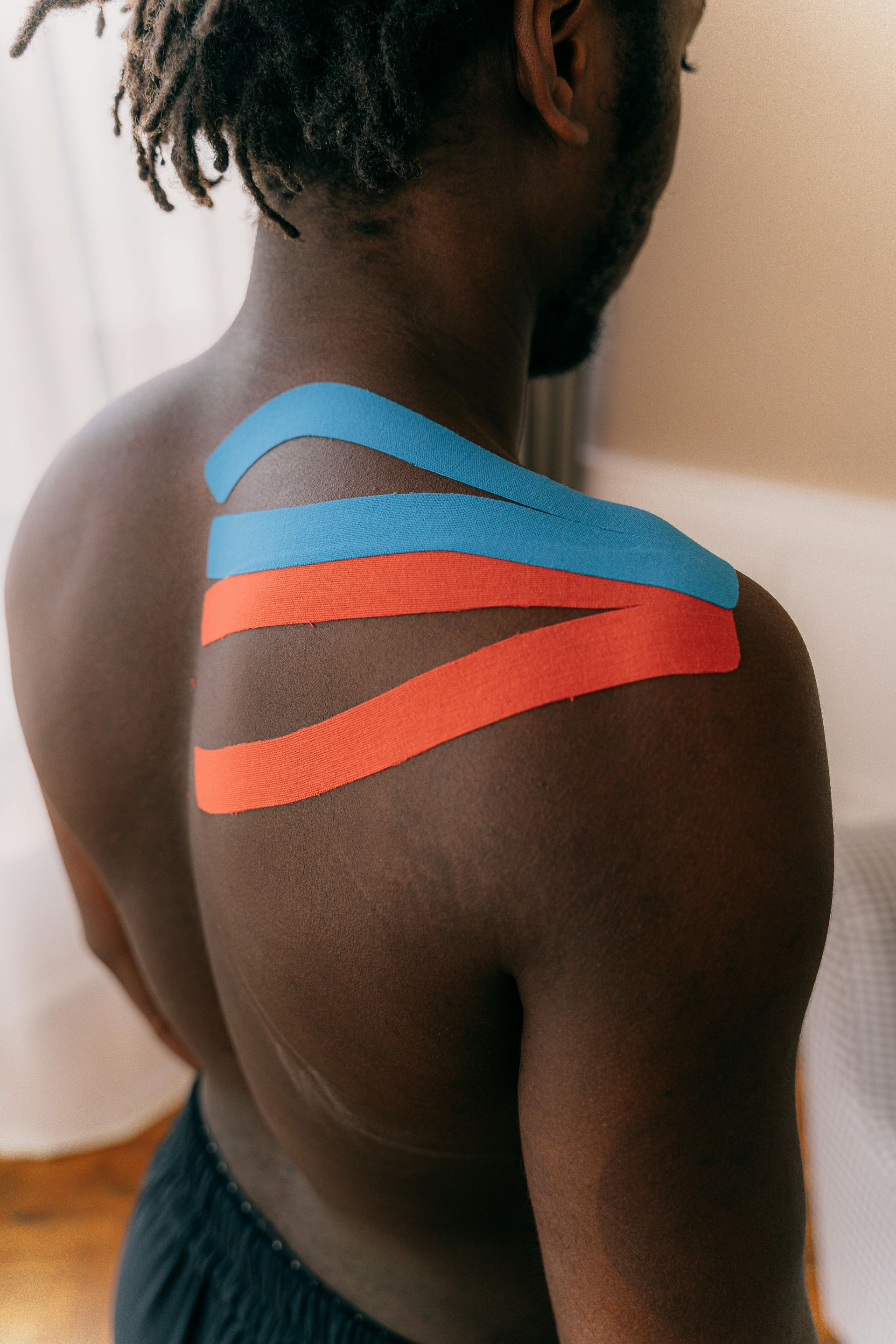
Taping is everywhere.
Athletes wear it, weekend warriors swear by it, and many people assume tape is a
treatment for injury.
The reality?
Tape can be useful — but it’s not a fix on its own.
Understanding what taping actually does (and where it falls short) is key to recovering properly and avoiding recurring pain.
What Taping Is Designed to Do
Taping is primarily a support tool, not a healing tool.
When applied correctly, tape can:
- Provide temporary joint support
- Improve body awareness (proprioception)
- Reduce excessive or unwanted movement
- Offer short-term pain relief
- Increase confidence during movement
This can be extremely helpful early in rehab, during return to activity, or when managing load.
What Taping Does Not Do
This is where many people get stuck.
Tape does not:
- Fix weak or inactive muscles
- Correct poor movement patterns
- Restore strength or capacity
- Heal damaged tissue on its own
- Address the root cause of injury
If tape is the only strategy being used, pain often returns as soon as it comes off.
Why Taping Often Feels Like It “Works”
Taping can reduce symptoms quickly — which is why people love it.
But symptom relief doesn’t always mean recovery.
Tape may:
- Offload a sore structure temporarily
- Improve movement awareness
- Reduce fear or guarding
This creates a window of opportunity — but only if it’s used alongside proper rehabilitation.
The Right Way to Use Tape in Rehab
Taping works best when it’s part of a bigger plan, not the plan itself.
At Fix Clinic, tape is used to:
- Support movement while strength is rebuilt
- Allow pain-free exercise during rehab
- Assist with return-to-work or return-to-training phases
- Provide confidence during early loading
As the body gets stronger and movement improves, reliance on tape should reduce — not increase.
When Taping Becomes a Problem
If you find yourself:
- Needing tape every session
- Unable to move without it
- Re-taping the same injury for months
That’s a sign the underlying issue hasn’t been addressed.
Long-term reliance on tape can mask problems and delay real progress.
Tape Supports Recovery — Rehab Creates It
Think of taping like a brace or a safety net.
Helpful in the right moment, but never a long-term solution.
Lasting recovery comes from:
- Restoring movement quality
- Rebuilding strength and stability
- Improving load tolerance
- Supporting recovery between sessions
The Bottom Line
Taping can help manage injuries — but it doesn’t fix them.
If you’re constantly taping the same area, it’s time to look deeper than symptoms and address why the injury keeps coming back.
Smarter rehab builds bodies that don’t need tape forever.