
PEMF Therapy Explained
How It Supports Recovery, Healing, and Performance
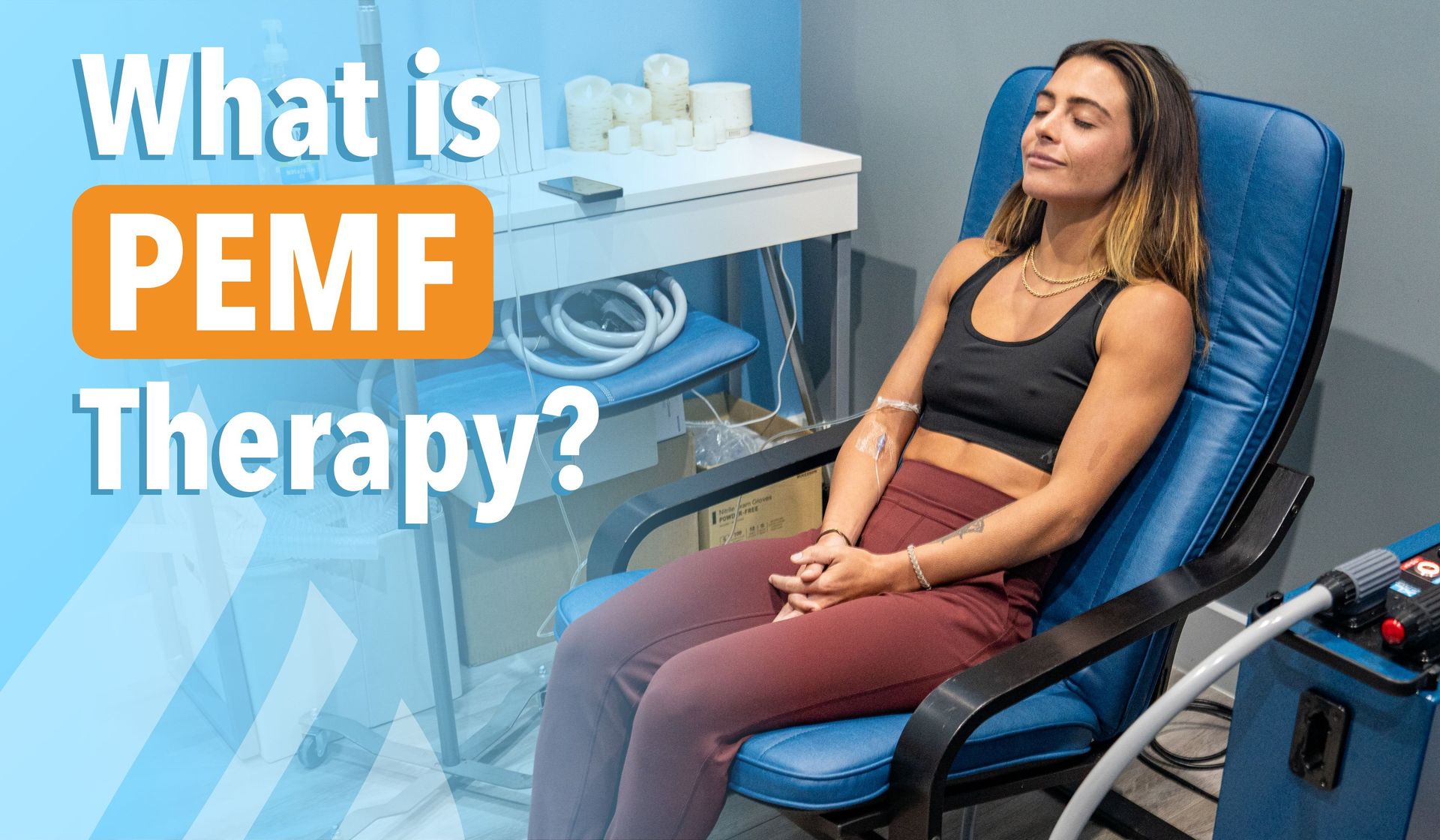
PEMF therapy is becoming increasingly popular in rehab and recovery settings — but it’s often misunderstood.
At Fix Clinic, PEMF isn’t used as a miracle cure or a standalone treatment. It’s used as a support tool to help the body recover, heal, and respond better to rehabilitation and training.
Here’s what PEMF therapy actually does — and when it works best.
What Is PEMF Therapy?
PEMF stands for Pulsed Electromagnetic Field therapy.
It works by delivering low-frequency electromagnetic pulses to the body, helping stimulate cellular activity and improve the environment where healing takes place.
Every cell in the body relies on electrical signals to function. Injury, inflammation, and fatigue can disrupt this process. PEMF helps restore normal cellular communication, allowing tissues to recover more efficiently.
What PEMF Can Help With
When used appropriately, PEMF may support:
- Reduced inflammation
- Improved circulation and blood flow
- Faster tissue recovery
- Reduced muscle soreness and stiffness
- Improved joint comfort
- Better recovery between training sessions
This makes PEMF useful for both injury recovery and high training loads.
What PEMF Does Not Do
It’s important to be clear:
PEMF does not:
- Fix movement patterns
- Replace rehabilitation or strength work
- “Heal” injuries on its own
- Override poor load management
PEMF supports the healing process — but rehab still does the rebuilding.
Why PEMF Feels So Effective
Many people notice:
- Reduced pain or tightness
- A sense of relaxation
- Faster post-session recovery
This is often due to improved circulation and reduced nervous system stress.
That relief creates a
window of opportunity where rehab and movement work can be done more effectively.
Where PEMF Fits in Proper Rehab
At Fix Clinic, PEMF is integrated strategically — not randomly.
It’s commonly used:
- Early in rehab to reduce irritation and sensitivity
- Between training sessions to support recovery
- During high-load training phases
- Alongside strength and movement work to improve tolerance
Used this way, PEMF helps clients train more consistently, not just feel better temporarily.
PEMF for Athletes vs Everyday Movers
- Athletes use PEMF to recover faster between sessions and tolerate higher workloads
- Everyday clients use PEMF to calm persistent irritation, reduce stiffness, and improve movement tolerance
The goal is the same: support the body so it can adapt better to stress.
Is PEMF Safe?
PEMF is considered low risk for most people, but it’s not suitable for everyone.
It may not be appropriate if you:
- Have certain implanted medical devices
- Are pregnant
- Have specific medical conditions
That’s why proper screening and professional guidance matter.
The Bottom Line
PEMF therapy doesn’t replace rehab — it enhances it.
When combined with structured rehabilitation, movement therapy, and strength work, PEMF can help:
- Speed up recovery
- Reduce flare-ups
- Improve consistency
- Support long-term outcomes
Used correctly, it’s a powerful tool in a smarter recovery system.