Treating Injuries the Correct Way
Why the Right Protocols Matter More Than the Therapy
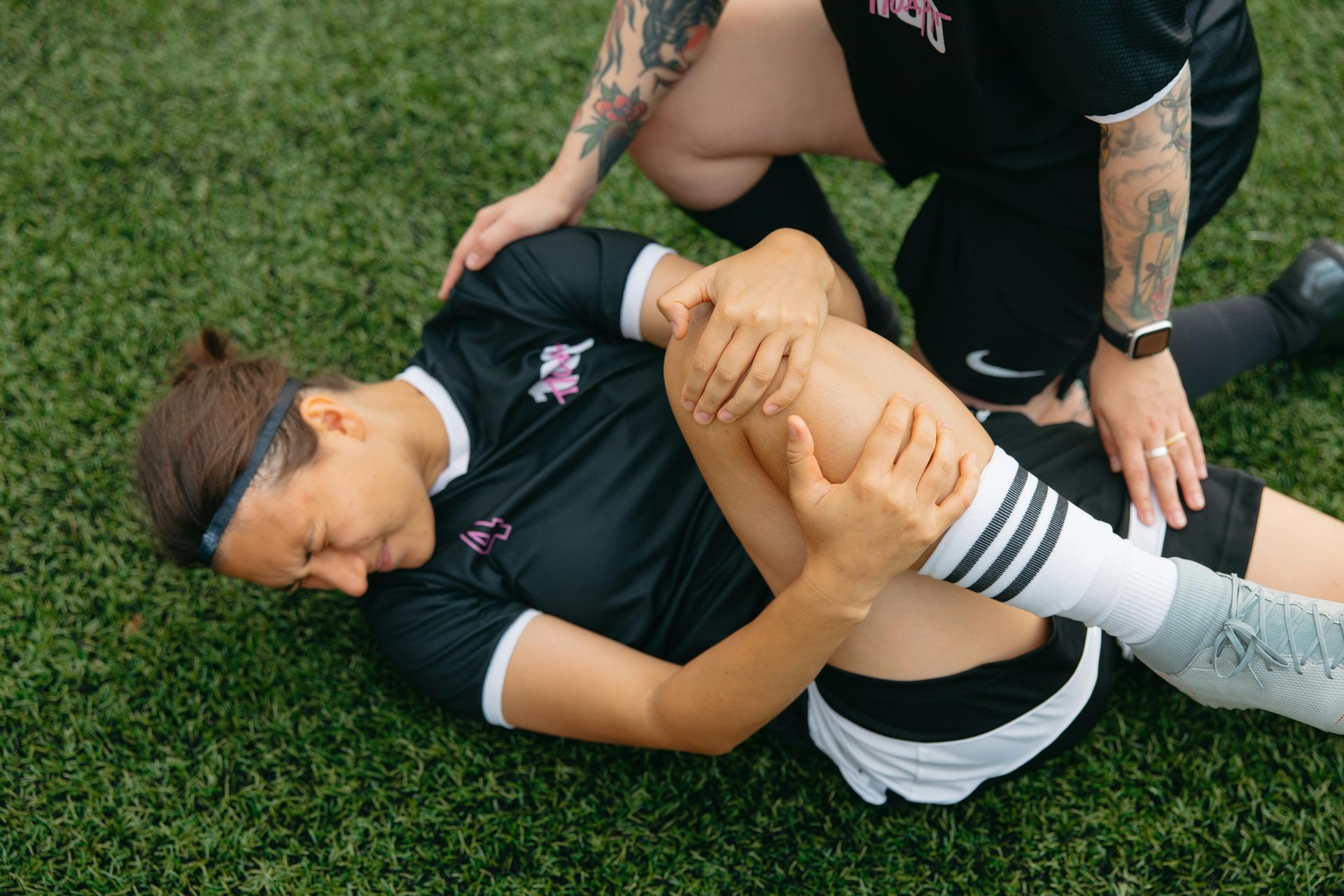
When it comes to injury recovery, the biggest difference in outcomes isn’t which therapy someone chooses — it’s how the injury is managed from start to finish.
Many approaches can reduce pain or improve comfort in the short term. Where people often fall short is not in effort, but in protocol structure. Without a clear, progressive plan, injuries improve temporarily, then stall — or resurface later.
Treating injuries the correct way means following the right process, not just applying a single technique.
No Single Therapy Is the Answer
Hands-on treatments, recovery technologies, and movement-based care all have value — when used at the right time and for the right reason.
Problems arise when any therapy is used:
- In isolation
- Without progression
- Without reassessment
- Without a plan beyond short-term relief
Injury recovery isn’t about choosing one method. It’s about layering the right tools into a structured protocol.
What Correct Injury Protocols Actually Focus On
Effective protocols don’t chase pain — they focus on function, capacity, and tolerance.
That means:
- How well joints move and control load
- How muscles support the injured area
- How the body adapts to increasing demands
- How confident the person feels returning to activity
When these factors improve, pain typically settles as a by-product — not the primary target.
The Importance of Progression
One of the most common mistakes in injury care is staying in the same phase for too long.
Correct protocols evolve:
- Early support and movement restoration
- Gradual strength and control rebuilding
- Progressive loading and exposure
- Preparation for real-world or sport demands
Each phase builds on the last. Skipping steps or staying too long in one phase limits results.
Why Outcomes Differ So Much Between People
Two people can receive similar treatments and have very different results.
The difference usually comes down to:
- How well the protocol matches the individual
- How load is progressed over time
- Whether movement quality is reassessed
- Whether recovery is supported between sessions
Good protocols adapt as the body adapts.
Where Recovery Therapies Fit In
Recovery modalities play an important supporting role when used correctly.
They help:
- Reduce irritation between sessions
- Improve readiness for movement and loading
- Support consistency during rehab
They don’t replace rehab — they allow rehab to progress more effectively.
Treat the Process, Not Just the Injury
Lasting recovery doesn’t come from relying on one method or staying comfortable.
It comes from:
- Clear structure
- Smart progression
- The right tools at the right time
- A focus on long-term capacity, not short-term relief
When injury care follows the correct protocols, results tend to last — regardless of which individual therapies are used along the way.